FCRI Advances Quantum Innovation Collaboration through Lancaster Visit

As cities become more connected, securing the digital systems that support urban life is becoming a critical future cities challenge.
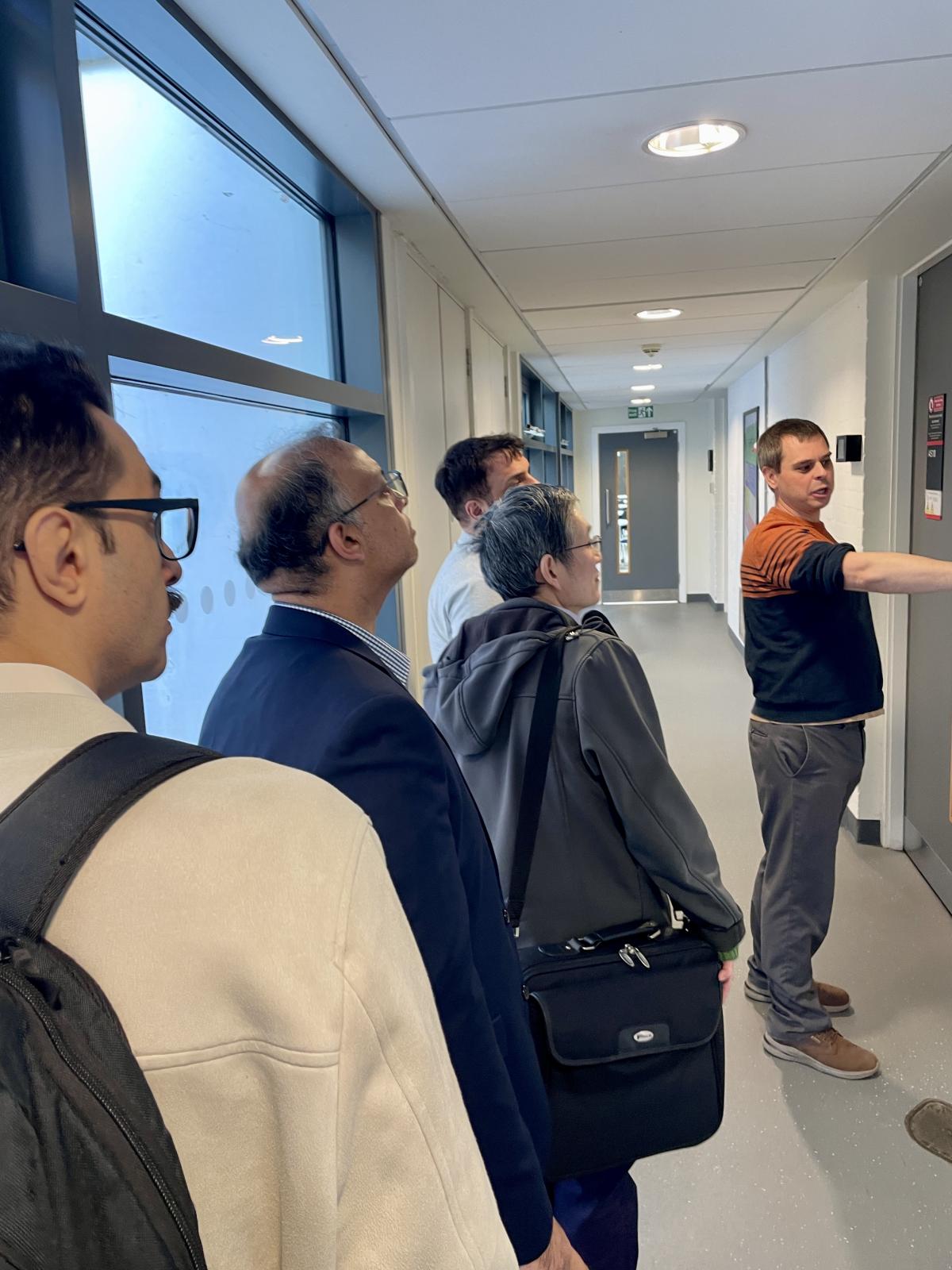
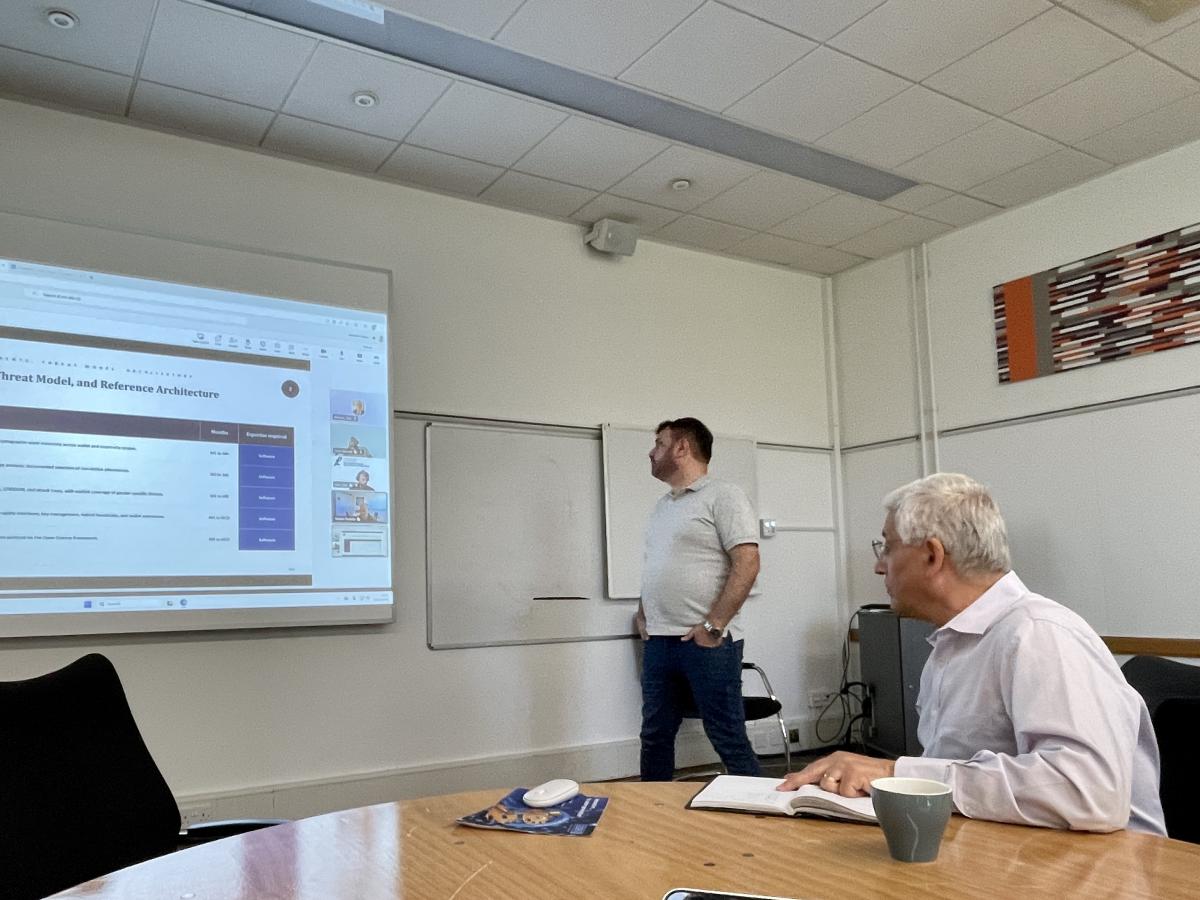
The Future Cities Research Institute (FCRI), a joint initiative between Sunway University and Lancaster University, recently strengthened its research collaboration through a strategic visit to Lancaster University focused on quantum communication, quantum security and secure digital infrastructure.
The Sunway University delegation included researchers from the Faculty of Engineering and Technology: Assoc. Prof. Dr. Saad Aslam (Head of the School of Computing and Artificial Intelligence), Assoc. Prof. Dr Morteza Saberikamarposhti and Dr Ahmad Sahban Rafsanjan. Their work focuses on quantum communication, quantum machine learning, cybersecurity and secure connected systems.
During the visit, the Sunway team engaged with researchers from Lancaster University and Quantum Innovation Lancaster (QIL), including Prof. Ziad Melhem and Prof. Richard Haley, Co-Directors of QIL, to explore stronger research alignment between both campuses.
The discussions focused on developing targeted international grant applications that connect quantum technologies with future cities research, while exploring collaboration with potential industry and academic partners from Europe.
This visit builds on the Sunway–Lancaster Future Cities Co-Design Workshop held at Sunway University in February 2026, where researchers from both institutions explored global research funding opportunities under the future cities' agenda. The visit also supported preparations for the upcoming Quantum Innovation Symposium (QIS), which will be held as a side event during the Future Cities Conference in July 2026 at Sunway University.
Through this engagement, FCRI continues to strengthen the Sunway–Lancaster partnership by connecting researchers, shaping grant-ready collaborations and advancing research that supports safer, smarter and secure digital infrastructure of future cities.
Gallery